
Artist Statement
Lisa approaches photography as an extension of her creative vision, capturing images almost daily as a way of seeing, understanding, and preserving the world around her. Her work spans a wide range of subjects, from the quiet beauty of nature to the enduring architectural relics of the past. She is particularly drawn to built environments of earlier eras—especially sacred landmarks that were thoughtfully designed—and is a strong advocate for documenting and preserving these structures at every stage of their existence.
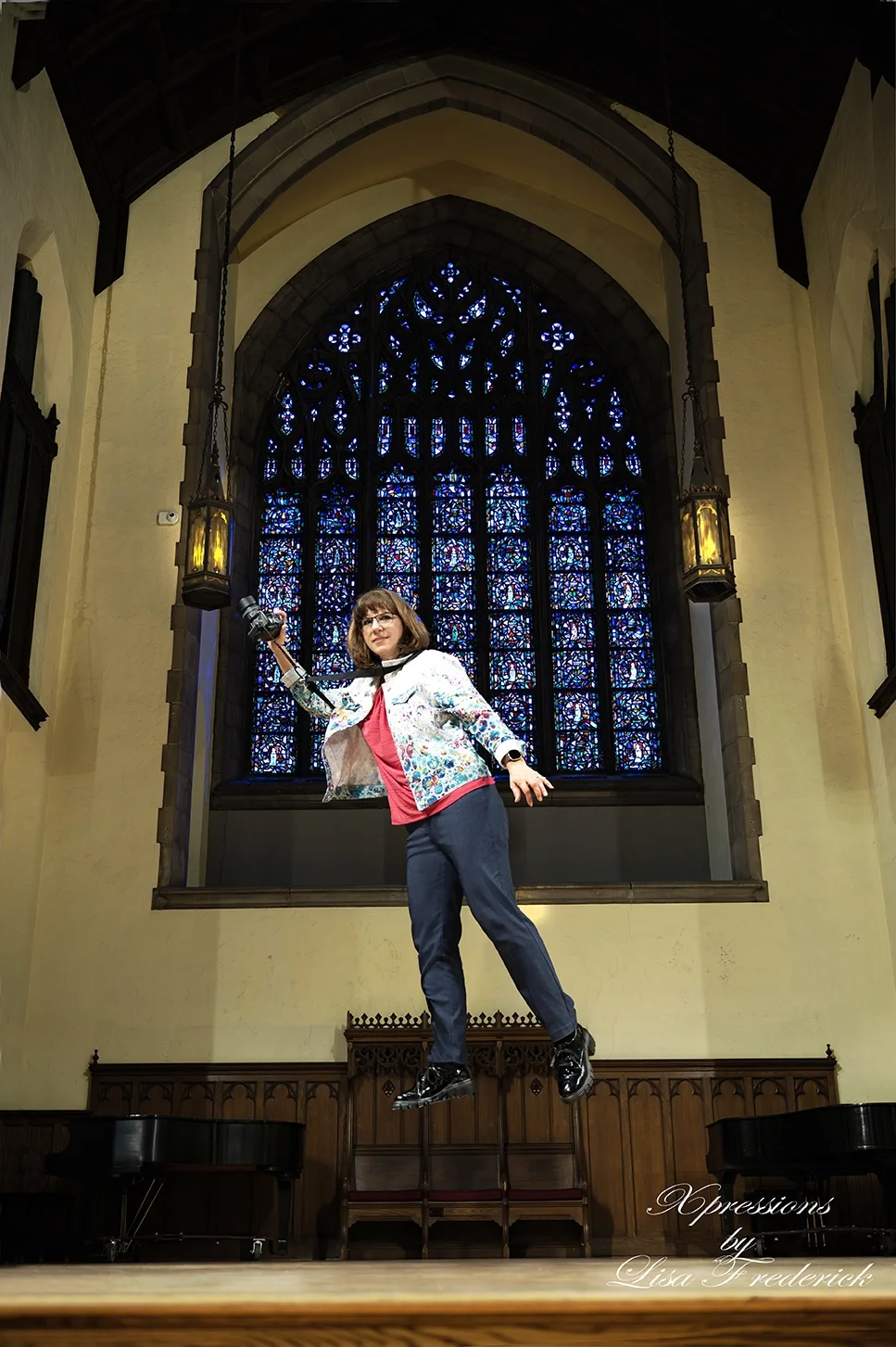
Born and raised in Youngstown, Ohio, Lisa is a second- and third-generation Italian, Ukrainian, and Hungarian American whose upbringing was deeply rooted in ethnic traditions. Many members of her family played key roles in establishing local churches, forging a personal connection to these sacred spaces that extends beyond aesthetics. From an early age, she developed a lasting appreciation for church architecture and ecclesiastical interior design, viewing these spaces as places where faith, artistry, culture, community, and social history converge.
Youngstown’s history mirrors the broader American story. Founded in 1797 by John Young as part of the Connecticut Western Reserve, the city grew into a major industrial center fueled by generations of immigrants seeking opportunity. Their churches became anchors of identity—places of worship, social gathering, and cultural preservation. While Youngstown faced dramatic decline following the collapse of the steel industry in the 1970s, the city today embodies resilience, honoring its past while pursuing revitalization.
As the nation approaches its 250th anniversary, Sacred Landmarks reflects on how these religious structures embody the American narrative of settlement, aspiration, resilience, and transformation. Youngstown’s trajectory—from prosperity to decline and renewal—mirrors the evolution of the American experiment itself. The churches documented here stand as witnesses to these cycles, offering tangible connections to the past while raising urgent questions about preservation.
The exhibition features twelve churches, symbolizing divine order and completeness. Each church is represented by three gallery images referencing the Holy Trinity, with seven additional images per church on the accompanying website, symbolizing spiritual perfection. Among them, two churches no longer exist, three have closed, some persist with small but devoted congregations, and few thrive. Their varied states underscore both the fragility and endurance of America’s sacred architecture. At a time when the National Council of Churches predicts that nearly 100,000 churches may close in coming years, this exhibition serves as both documentation and call to awareness.
Sacred Landmarks honors Youngstown’s religious and architectural heritage while emphasizing the urgent need to preserve these spaces as vital components of America’s cultural legacy—past, present, and future. It remains an ongoing extension of Lisa’s passion, continuing as long as there are churches to explore, stories to tell, and histories worth preserving.